
It’s About Time
We 70-somethings have a different perception of time than we used to. Bill Veeck said, “For babies, time is infinite. They have all the time in the world. For older people, time is more precious. They sleep lots less because they might miss something. You can’t stretch time yourself…it’s finite.”
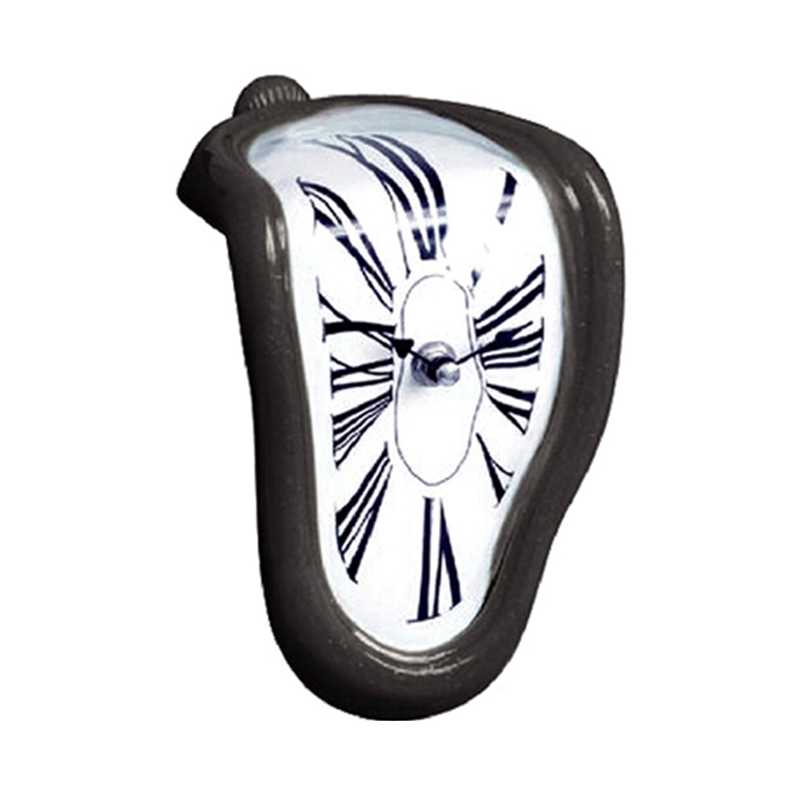
Adam Schiff, manager of the House impeachment team, had a different take on time: “This President, he’s like a planetary object. He warps time. And things that you think happened a couple of weeks ago, it turns out, only happened a day or two ago.” (quoted in NY Times Magazine)
And Time Magazine? Forget it. Nobody under 50 reads it. Practically nobody under 25 knows what it was.
One of the underpinnings of Media Burn Archive involves capturing REAL TIME, as in video-camera-original tapes so the context and flow all become added dimensions. We have thousands of them revealing moments impossible to get from news clips, sound bites, and edited programs.
A recent example that brought home the point was the unauthorized recording by Lev Parnas, the indicted American campaign contributor-businessman who was in the middle of the Trump-Giuliani-Ukraine drama.
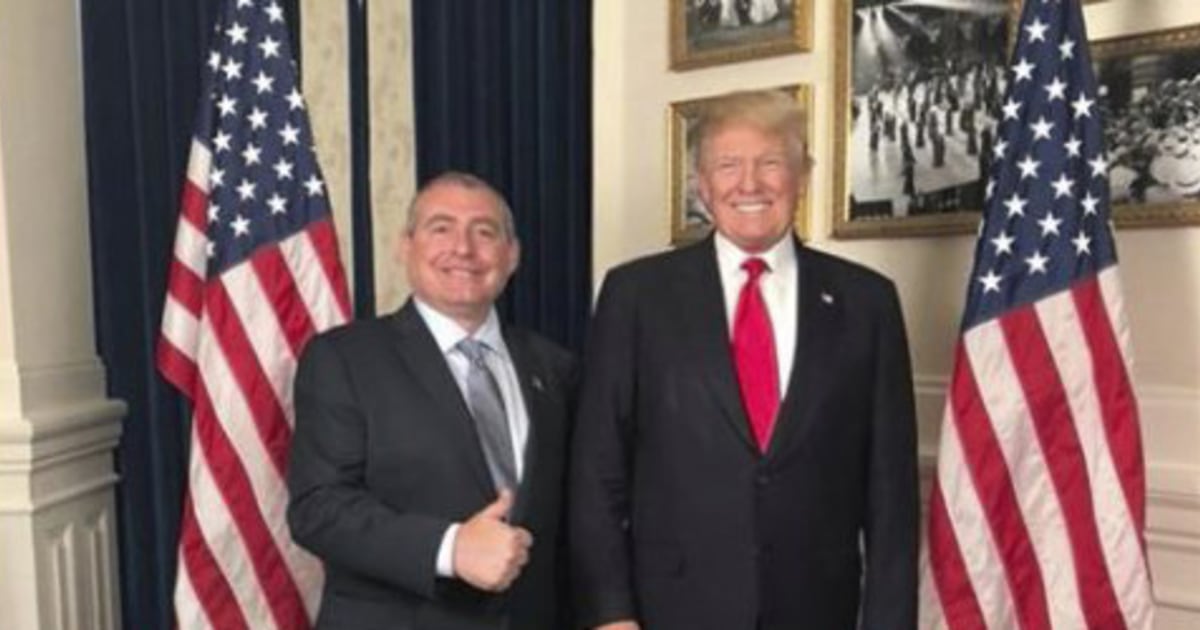
He was at a small dinner meeting at the Trump International Hotel in 2018 with a bunch of campaign contributors. When it was made public in January, the “News” seized on the recording of Trump talking about the ambassador to Ukraine, Marie Yovanovitch, a highly-respected veteran diplomatic professional:
“Get rid of her! Get her out tomorrow. I don't care. Get her out tomorrow. Take her out. OK? Do it."
It took a year, but she was fired as we learned painfully in the impeachment testimony.
The recording (and the photo above) provide absolute proof that Parnas and Trump had a personal relationship, though Trump has continually denied even knowing Parnas.
That was the takeaway from what was reported on the news, but the recording itself was over an hour. After the first few minutes of video, Parnas put his phone down on the formal dinner table (set for about 30) and recorded only audio. Clinking glasses and dishes can be heard, but the context of how these guys talk and interact is something that can only be understood by listening for a while, unedited.
Without addressing the ethics of secret recording, it’s eye-opening (or at least ear-opening.) I got a different sense of Trump than I ever had before. He wasn’t performing. It was still the personality and manner we know, but he was talking, not blustering. Hearing the informal give-and-take, hanging-out conversations casts a different light on the interaction. He seems to be asking questions to learn about the effects of tariffs, international oil and steel markets, fossil fuels, electric cars (“Are they for real,” he asks), etc.
It’s unmistakable and revealing how these guys (I only heard one woman) behave when they’re in private and it could only become clear by listening to the unedited “raw” recording. Of course, it takes TIME to listen, but one overriding value of real-time recordings (especially video) is that they tell the story and reveal details and nuance you can’t get any other way.
The Kobe Hero Gap
An insightful column about heroes and how we relate to them was articulated by Rick Telander in the Chicago Sun-Times last week.
His reaction to Kobe Bryant’s tragic death was only matched on the day we found out about the murder of John Lennon. Lennon’s life was 1940-1980. Bryant’s 1978-2020. They only overlapped on the planet for 16 months.
Telander went on to say that the only person who could possibly step up to approach the social impact of Bryant is Lebron James. It could never be Michael Jordan whose basketball achievements were supreme but whose ability to connect to anyone outside his own world were and are severely limited.
These Are a Few of My Favorite Things
I have always been attracted to whimsical, ironic, spontaneous, deceptively simple, untraditional art and artists. My taste developed when I was in my 20’s and has been consistent ever since. The art of Paul Klee, the music of Thelonious Monk, and the films of Francois Truffaut are among my favorites.
Their work was original at the time and unflappably personal, not driven by others’ reactions. They remind us of our humanity, which is why they continue to be relevant to this day. They all celebrate joyful playfulness.
A delightful example is The Twittering Machine (1922) by Klee. It was predictive in design, style, and even in the title. Klee (“Clay”) could draw seemingly simple lines to elicit deep and complex feelings.

The artists of Ant Farm have had much the same effect on me. I got involved with them nearly 50 years ago. They were agents of change in the capital A “Art” world, creating and living outside the box with a focus on the future. My pals Doug Michels, the hardest-working man in the idea biz was a true inspiration whose life was disastrously cut short at age of 59 in 2003; Chip Lord, artist-architect-video maven (we first met when we scored a mansion for 20-something TVTV video artists/journalists to live in during the Democratic and Republican Conventions in Miami in 1972); and Curtis Schreier, free-thinking conceptualizer-craftsman and the only person I’ve ever known who has brilliantly maintained his childlike way of seeing everything in the world as new and wondrous for more than 70 years.
Ant Farm did an exhibit at the Contemporary Arts Museum in Houston in 1974 called 2020 Vision, about a year that seemed like an impossibly far away at the time.
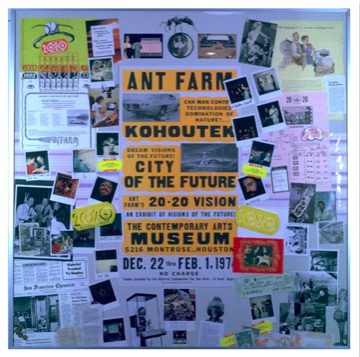
It was both conceptual and material, testimony to the permanence of change. At the time, many called their creations “over-the-top.”
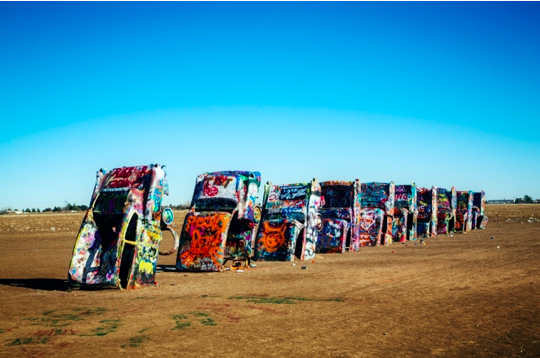
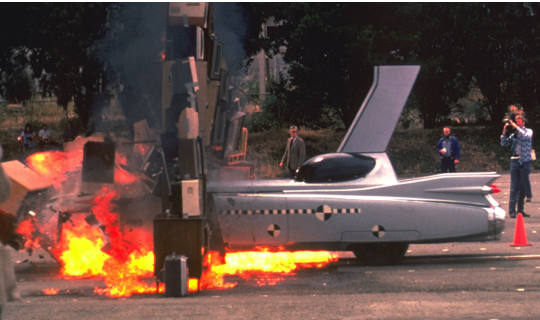
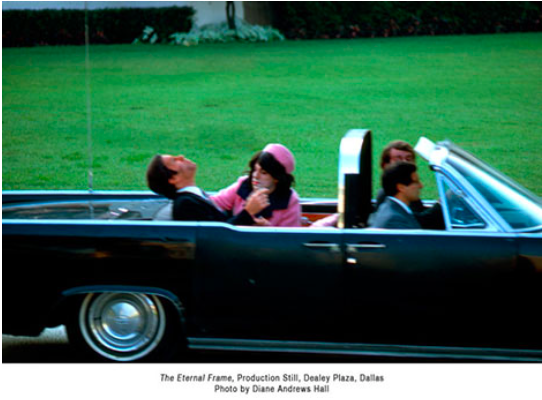
They were iconic, always mind-bending and fun. Lots of Ant Farm’s work was predictive, anticipating a future world that evolved into Tesla, iPhone video, temporary structures, and project-based gigs.
What to Watch…Two Video Tips
The documentary by Laura Farber, WE ARE COLUMBINE, the chilling and revealing story about and with four of her classmates who were freshmen at the time of the school shootings in 1999, is must-see. (Full disclosure: I helped birth it and executive produce it for the 18 years until it was distributed.)
Now it can be seen streaming on Hulu and on Amazon.
If you haven’t seen it, take 78 minutes and watch it.
The second tip is Cooked: Survival by Zip Code, the story of the heatwave in Chicago in 1995 when 739 people died in a week…almost all African- Americans. It weaves questions of climate change and racial inequities in a unique way. It’s a documentary by Judith Helfand and our friends at Kartemquin Films in Chicago. Ace editor David Simpson was a key part of the team that took many years to put it together.
It’s on Independent Lens on PBS, airing nationally next week (can be seen Monday, February 3 at 10 pm on WTTW Chicago.) Soon, it will stream via PBS. Watch the trailer here.
Handling Gen Z
This piece was sent to me by my first cousin, Amy (Weinberg) Mysel. She’s had a long and successful HR career trying to understand and do the best for generations of working people at the companies she worked at. The article is from Inc. (which used to be paper you could buy at the “corner newsstand”….the what??)
It’s a story about what used to be called the “generation gap.” I’ll bet it rings true for you. (I’ve excised some of the corp-speak.)

Hand Gen Z a Manual Can Opener and This Is What Happens
By Ryan JenkinsYour view influences what you do.
A recent interaction with Generation Z made me realize how hindering assumptions can be. My wife and I recently threw a first birthday party for our youngest son. We had a Gen Z family friend help us with preparing the food for the party.
The Gen Zer was asked to prepare a portion of a dish that required capers. She was quickly handed a can of capers along with a manual can opener and my wife and I went back to busily preparing the other dishes.
A few minutes passed and we noticed there was no progress on the Gen Zer’s dish. A quick glance at the Gen Zer revealed the culprit.
She was watching a video on her phone. She wasn’t procrastinating, quite the opposite, she was learning. She was watching a YouTube tutorial on how to use a manual can opener.
Our view was that everyone knew how to use our kitchen tools. The can opener represented our assumption that everyone knew how to use one…
It’s easy to forget or not realize that 62 percent of Gen Z doesn’t remember a time before the Great Recession, none of them were old enough to process the events of 9/11, and all of them are younger than Google. Gen Z are a different generation with different skills, experiences, perspectives, and views….
What can openers are you handing over to Gen Z?
Still My Heroes
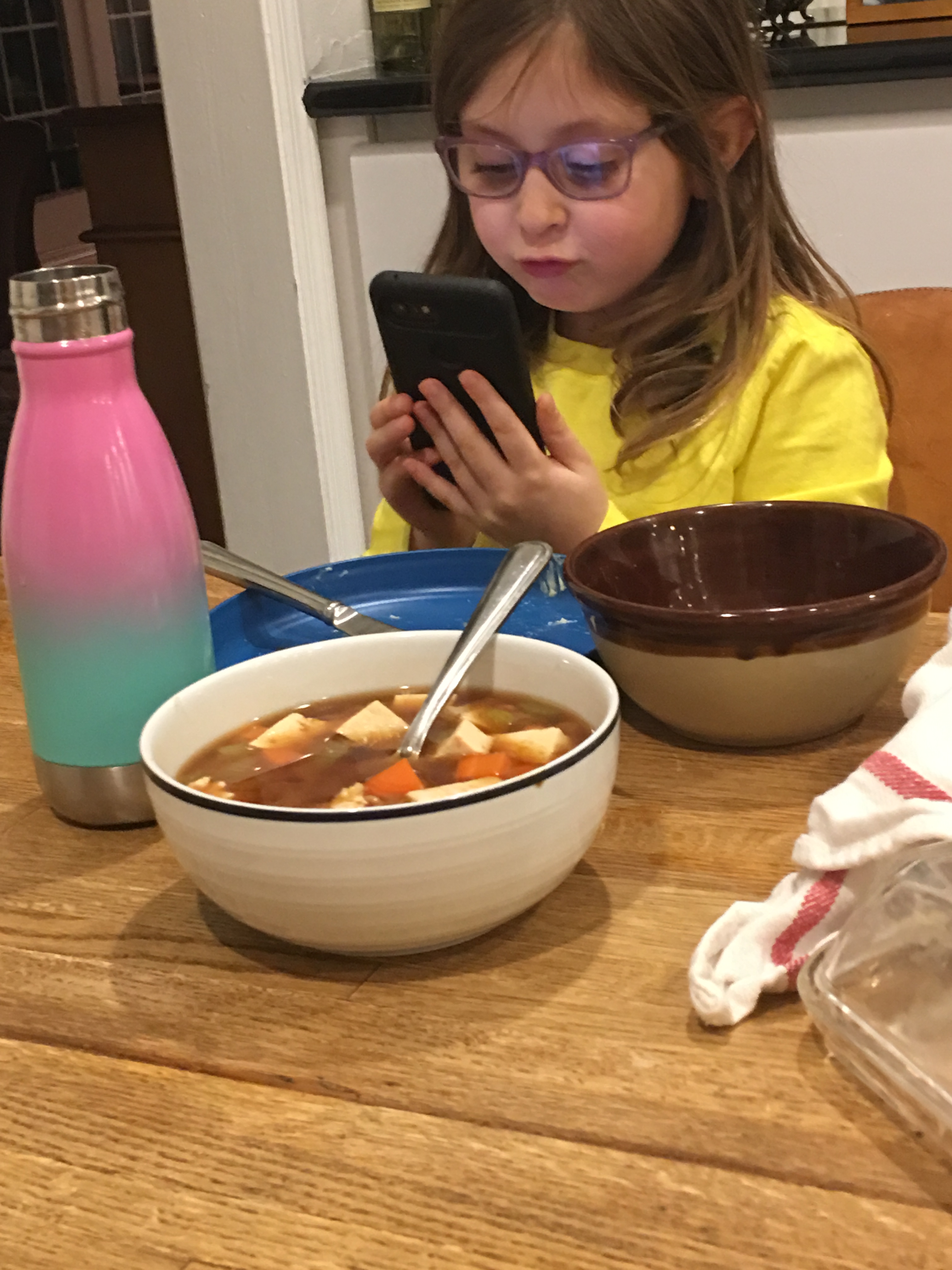
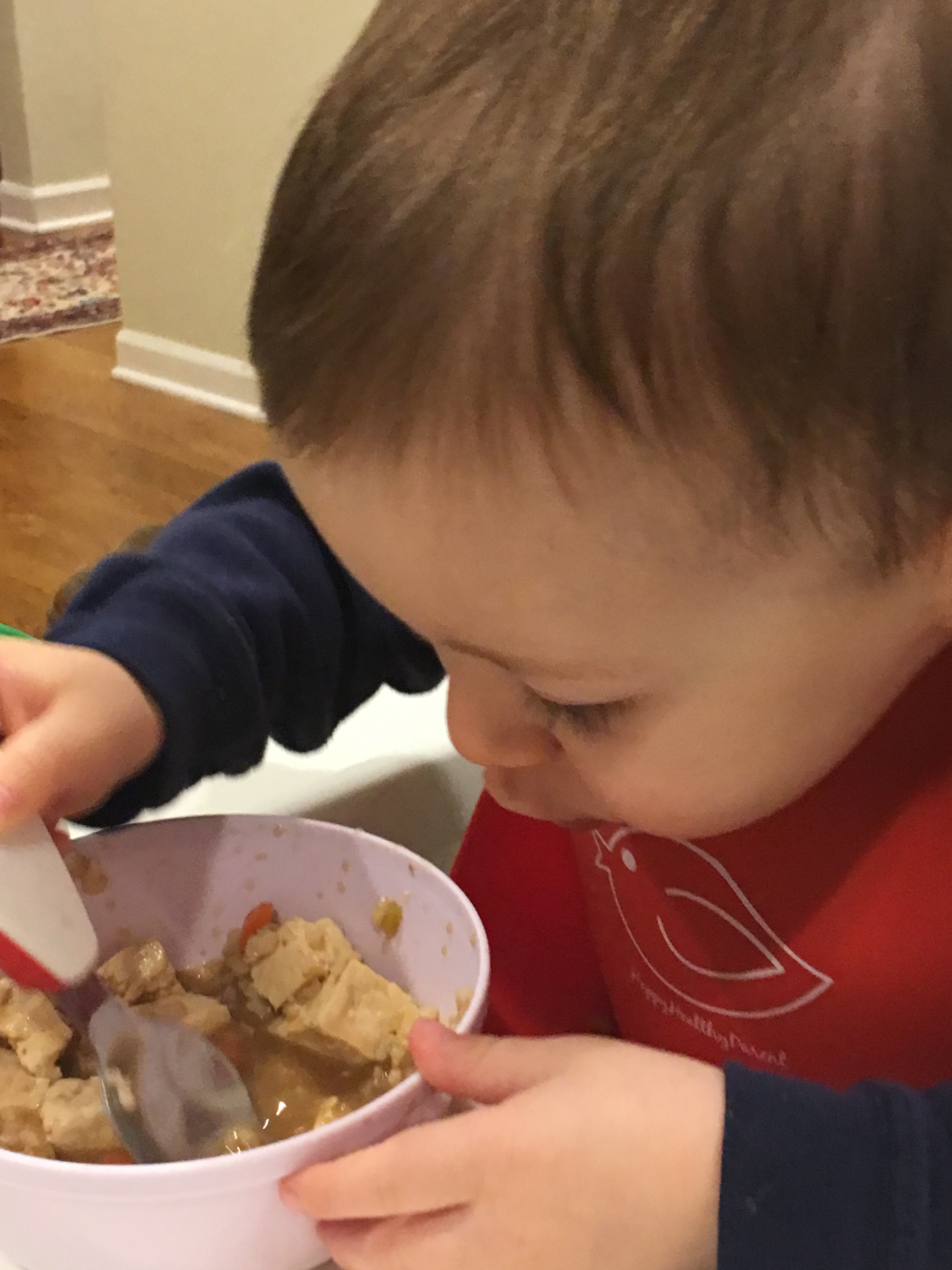
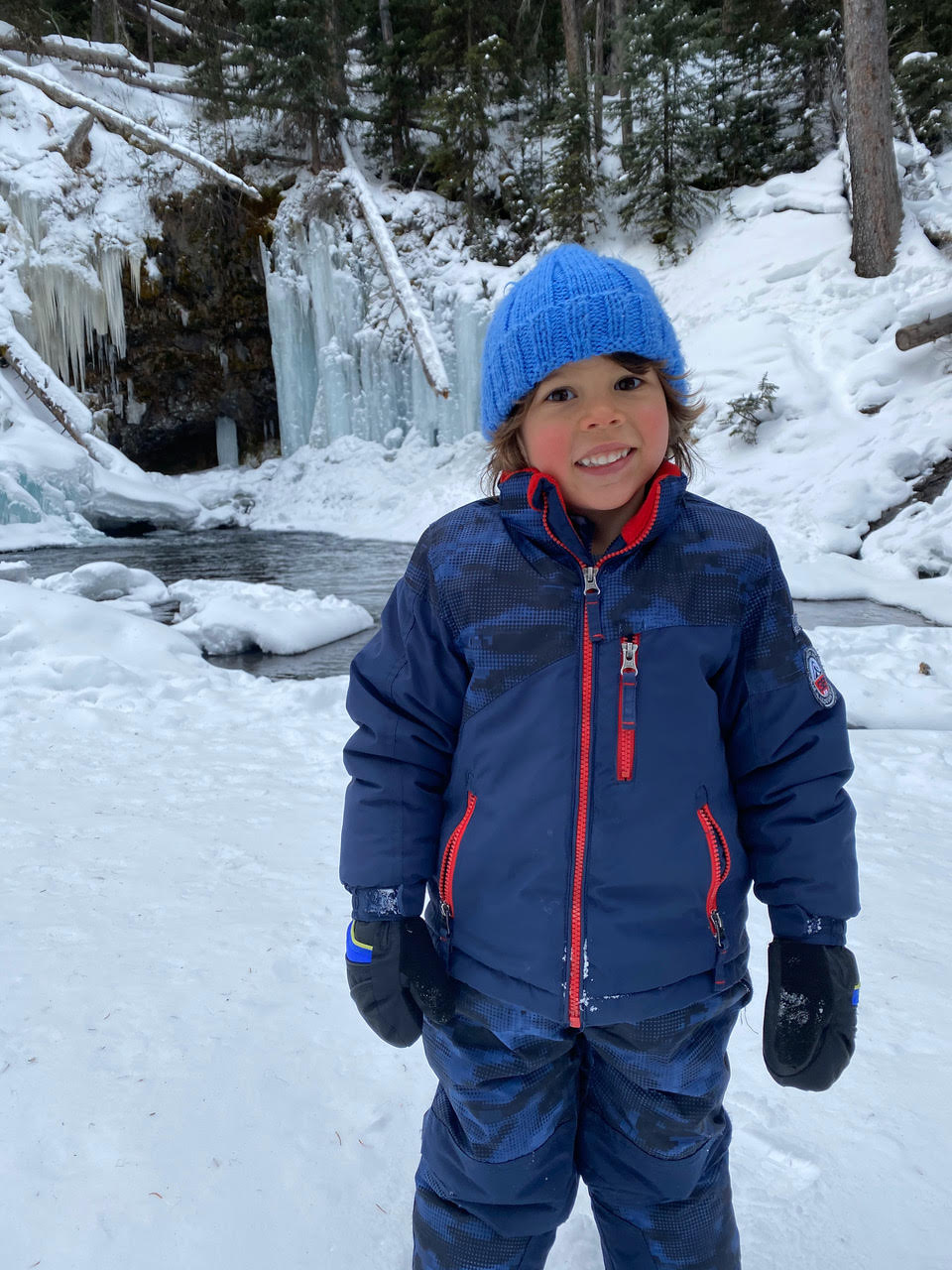
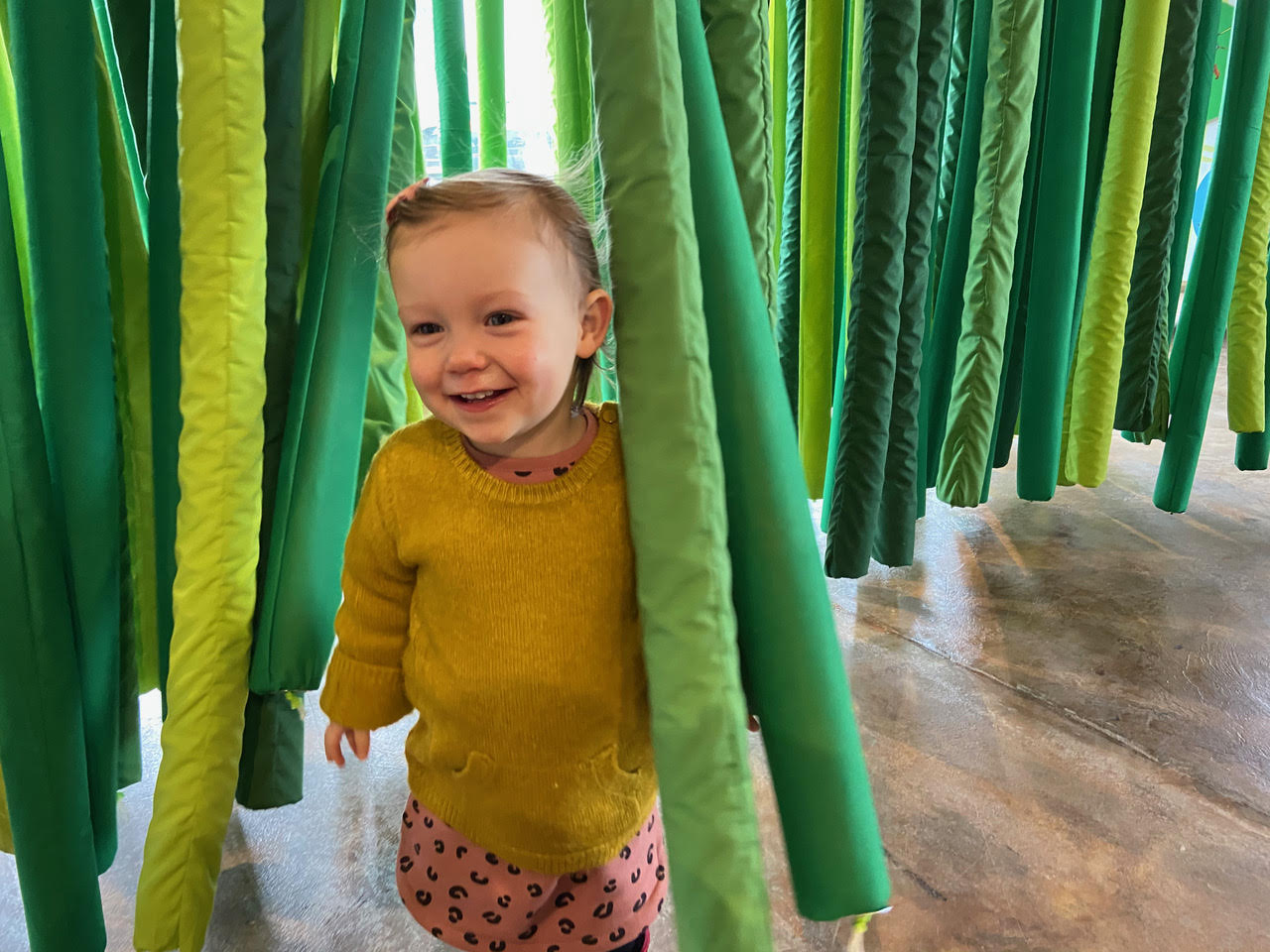
That’s it for this month’s PY-O-MY. May your February be short on days and long on health and fun.
P.S. The March 1 edition is likely to come to you from the other end of the world: Australia and Tasmania where we’ll be hanging out for several weeks on the longest trip of my life, in distance and time.
 PY-O-MY
Was down there in December. Before the fires were really raging. Do try and get to New Zealand —
gorgeous and different from Australia. Bon voyage. Judy
always a treat ….
So good to hear from you, Tom–and Eleanor! I can’t wait for more. with love, Sallie