
What’s Old Got To Do With It?
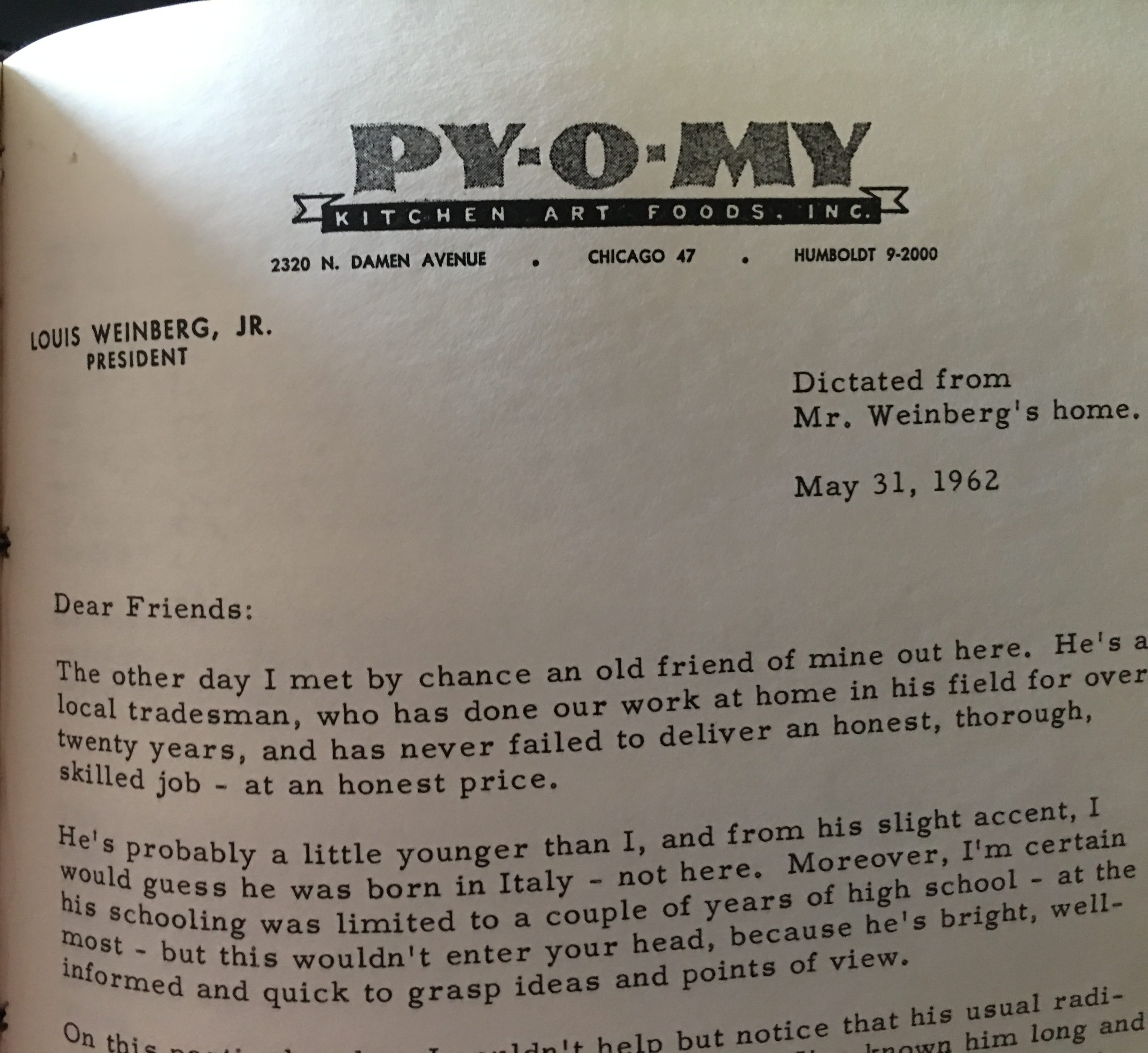
Every once in a while, I read the original Weinberg House Organ/PY-O-MY letters. It puts me in touch with the writer, my dad, Louis Weinberg Jr., who wrote it from 1952 until his death in 1967. It’s curious to compare what it was like then with what’s happening now. Here’s a lift from bound volume #5:
“For good reason, no doubt, I find myself increasingly conscious of some symptoms of growing old. You begin to take more notice of the obituary page. ..a new housing development is completed and the young people discuss it in great detail. What do you do? You tell them you can remember, not long ago, when this area was only a prairie…
While the world goes on, and the younger people are doing – you spend a ridiculous amount of time remembering.
All this – and a hundred other examples – have convinced me that growing old is largely a state of mind. If you are interested, receptive and responsive to what is going on now, without mentally comparing it with similar developments of the past, I suspect you’ll never get old, regardless of your chronological age and physical limitations. And conversely, if your world radiates around the past, you’re old even before you’re middle-aged.
Years ago, there was a story about a bird who looked backward when he flew. The explanation was that he was more interested in where he had been than where he was going. I’ve learned, I believe, that he was a very old bird.“
Wise old guy, huh? When he wrote this in 1962, he felt old at 54, 22 years younger than I am now! Maybe that means it’s OK that I’ve been looking backward for decades.
I must admit there’s more past than future these days.
How Does That Relate To Archiving?
Best I can tell, the reason I’ve spent thousands of hours working on and with old videos has to do with a few things:
1) I think the archival stuff has lasting import and value.
2) It doesn’t exist anywhere else (or practically any other place) so it matters to save it before the tapes deteriorate and become unviewable.
3) It’s critical to make them available for people to see in perpetuity.
4) Very few people have seen most of the videos since they were never distributed widely. Lots have been hidden for many years in closets and basements.
5) There’s something uniquely revealing about video, particularly if it’s created as a form of expression, rather than for corporate or commercial purposes.
So, while my dad makes sense and was perceptive about not looking backward, I guess I have a different take. Getting old and being involved with the past, especially if the purpose is to provide and preserve history and perspective for others, doesn’t necessarily demonstrate how hard your arteries are. It can be a way to pass along experience and attitudes in an unfiltered way. I see it as an obligation to pass along what I know.
It reminds me of what our mentor Studs Terkel said when we interviewed him when he was in his 60’s in 1975:
“Yeah, sure, I think after you die, it’s important to leave an impact. Otherwise, what’s the point?”
We each leave our impact in our own way(s).
Studs lived until 2008. He was vital until he was 96. He left behind 23 books and thousands of audiotapes. You can listen to his audio archive at studsterkel.wfmt.com.
To see the world’s largest Studs Terkel video archive, go to https://mediaburn.org/category/chicago-collection/studs-terkel/
Some Synchronous Ironies
In the last few weeks, I’ve been surprised to have been involved three times looking backward at our content from half a lifetime ago. I did a two-hour archival interview about the early days of TVTV, our pioneering video producing group in those heady media breakthrough days beginning in 1972.
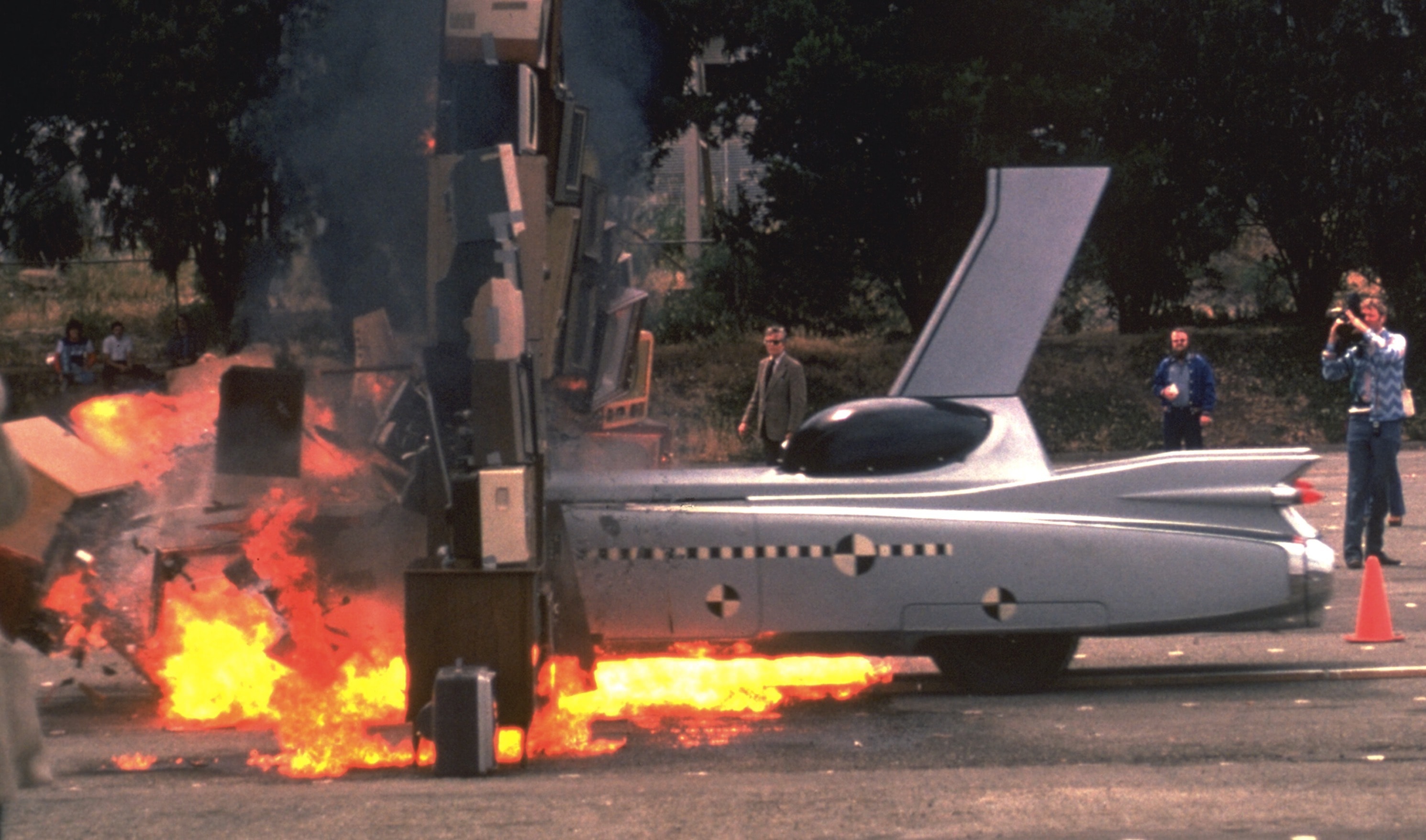
The conversation was with Steve Seid, retired head of the Pacific Film Archive at the Berkeley Art Museum (BAM.) His soon-to-be-published new book is Media Burn: Ant Farm and the Making of an Image. It concentrates on the iconic art event in 1975 created by Ant Farm. It featured a video-equipped Cadillac Eldorado Biarritz convertible driven by Doug Michels and Curtis Schreier through a wall of burning television sets in San Francisco. Special guest was the Artist President, Doug Hall, a John F. Kennedy impersonator who famously asked “Haven’t you ever wanted to put your foot through your television screen?”
I made up the original Media Burn name and was executive producer of the event and the video we created about it.
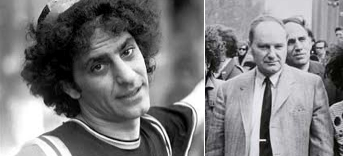
The second looking-backwards experience was triggered by a fascinating 1970 video with the Chicago Seven. Interest has been peaking because of Aaron Sorkin’s Trial of the Chicago 8 which premiered on Netflix in late October. I received the vintage one-of-a-kind hour video produced by and featuring Ron Davis, founder of the San Francisco Mime Troupe who was a pal of some of the defendants. It’s one of the rare (if not the only) video that has all seven of the defendants together talking about the trial. (Bobby Seale was an empty chair.)
I was in the courtroom reporting most days of the five month trial. The Sorkin-scripted dramatic version has established itself as the history, but has many inaccuracies and incorrect nuances. It’s misleading in many ways. Some of the feature film was totally false, depicting events and interaction that didn’t happen. I was incensed. It turned out Davis was also. Via our long-time mutual friend, Starr Sutherland, he sent me a copy of the professionally-produced studio video nobody had seen in 50 years. It’s terrific because it’s real and contemporaneous.…an unequalled way to meet and understand the depth and strengths of the seven who were on trial in Federal Court for crossing state lines with intent to riot.
We will preserve it and put it online on mediaburn.org. More on that next month. You will be blown away by Abbie Hoffman and Dave Dellinger, the two defendants I think emerge as the strongest emotional and political forces of that time.
The third recent looking-back experience was the excellent Showtime documentary about John Belushi and his unequaled talent and appetites. Some months ago, representatives of producer-director-writer R.J. Cutler saw a segment on Media Burn Video Archive from a documentary I produced with Frank and Laura Cavestani in 1975 called Making It in Hollywood. We focused on young wannabe actors at that time. One guy I interviewed on camera (at a party, of course) was Belushi who had just finished the first season of SNL and hadn’t made a movie yet. Cutler and Showtime licensed that video, though I didn’t know which piece, if any, would be in their documentary. The next thing I knew was I was getting calls and emails from all over the country from people who recognized the me of 35 years ago and were blown away. I was too since I hadn’t seen it until it was on Showtime last weekend.
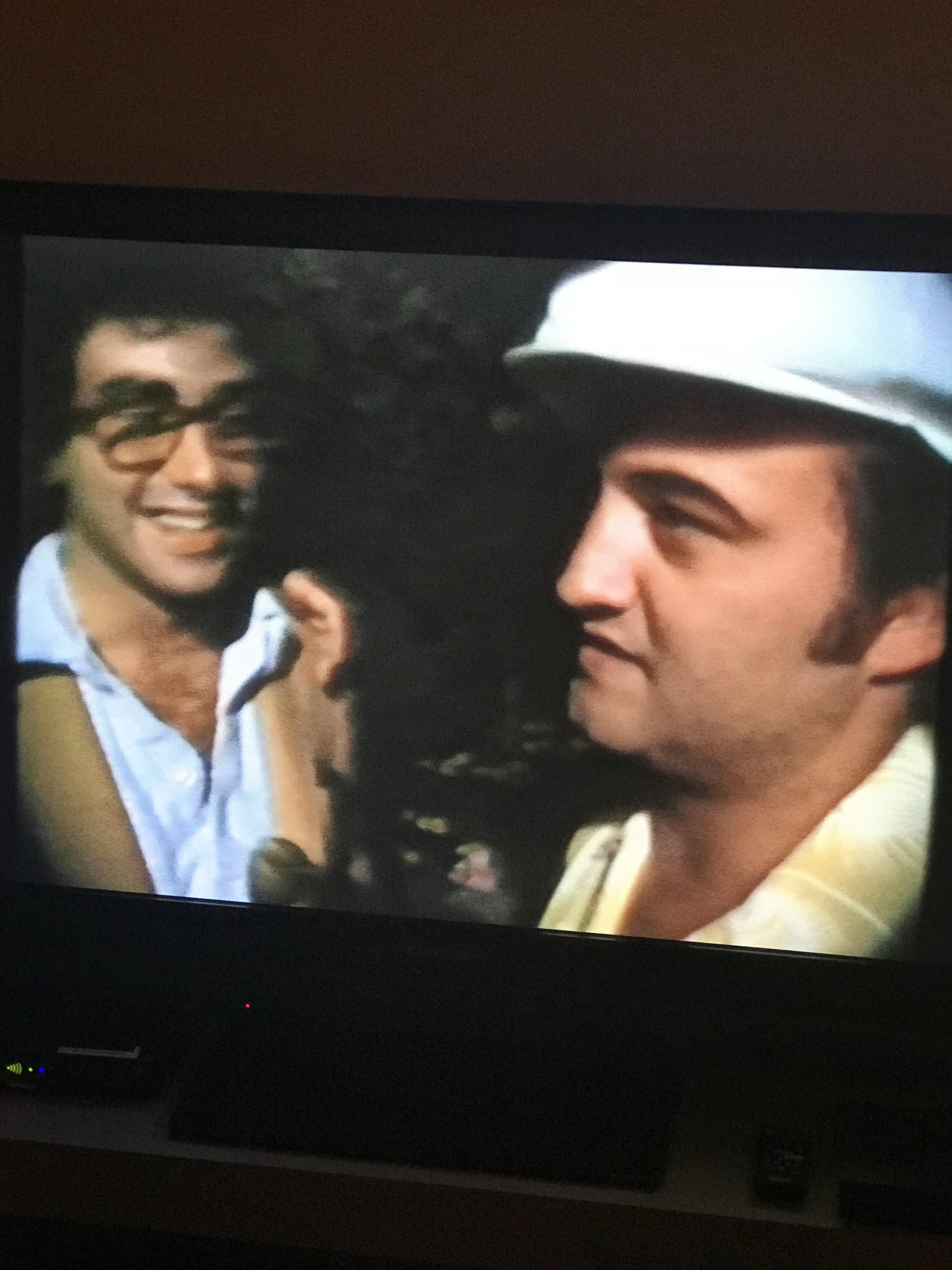
I didn’t plan on it, but the past few weeks, I have been looking backward while flying forward! Ya never know! Or, as Grampa Louie would have said: “You just can’t always sometimes tell!”
High-Flying Bitcoin Doesn’t Look Back
Last week, the market in cryptocurrency Bitcoin hit an all-time high, $19,864. When it was launched in 2009, it was worth less than 1/10th of a cent! Even this year, at the start of Coronavirus in March, the price slipped to $5000. And going back to 2015, it traded as low as $250.
If you have a good explanation, please let me know. No commodity or investment in my life has been as volatile. It IS a new phenomenon made possible by 21st century blockchain data technology. I tried to explain what I knew about it in an item in PY-O-MY Letter last year.
I have been reading some fascinating reporting about it. A recent one is from the Stansberry Advisor, an investment recommendation publication. This is a 9-minute video from October 20, 2010.
I’m absolutely convinced that the blockchain technology is here to stay as a major force and that some people will make huge fortunes…maybe not in Bitcoin in particular, but over the years global, cryptocurrency is too powerful a breakthrough to fade away. Plus, it’s clear now that significant breakthrough applications of the principles of blockchain will appear in ways we can’t possibly see now.
The Economic Effects
| Worldwide, 1.5 million COVID-19 deaths. |
| 296,000 have died in the USA. |
| Though ~4% of the world population, the US has over 18% of deaths… and rising. |
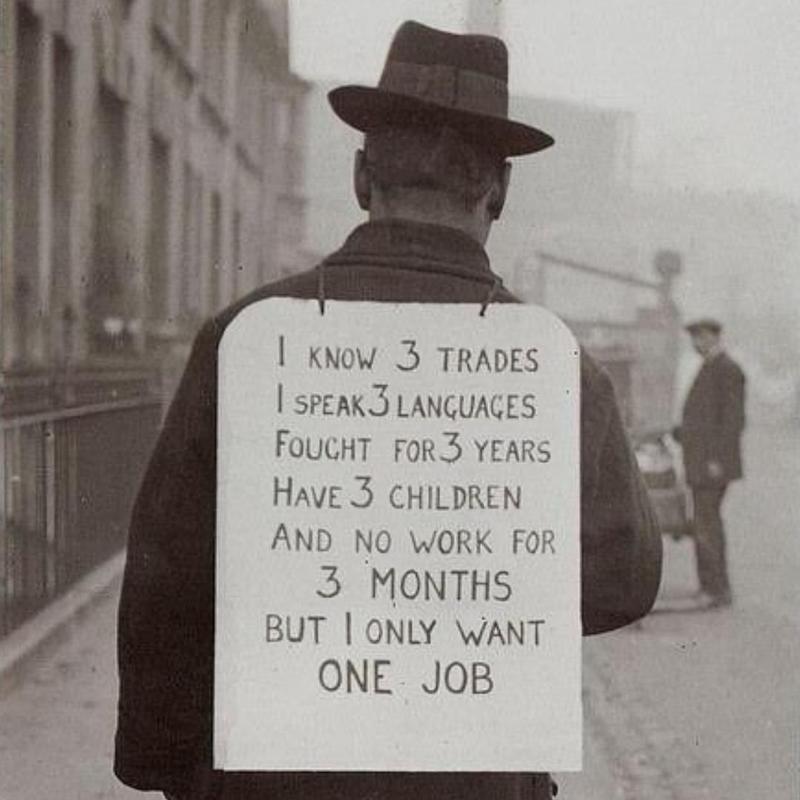
The labor force is now about 60% of the US population, some 192 million.
The statistic most frequently used to measure health of the economy is “the unemployment rate.” That percentage counts only people actively looking for jobs, not people who stopped looking, students, retired, or people taking care of family. The October 2020 rate reported was 6.9% unemployed. Last April when the COVID-19 pandemic hit workers the hardest, the government reported 14.7% unemployment rate. MarketWatch estimated that the “unofficial jobless rate,” which took into account all people out of work was well over 20% in April.
A more revealing statistic is the population-employment ratio. It measures the civilian noninstitutional population that’s currently employed. Last May, 53% of adult Americans were working; so 47% weren’t. That was the highest percentage not working since they’ve been keeping track. It’s now at about 57% working and 43% not working, still a huge mess.
As we all know, unemployment affects young people, Blacks and Latinos the hardest. An amazing stat is the employment of 16-19-year-olds. In April 2020, only 21% of them were employed. By October, the number was over 30%.
An article in the November 30 Chicago Sun-Times noted that in the first 11 months of 2020, homicides in Chicago were higher than in any previous year and likely, 2020 homicides would be close to three a day, the highest ever. The Cook County medical examiner reported that 78% of deaths by homicide were Blacks and 16% Latino. It doesn’t take a math genius to figure out what’s going on. And, not surprisingly, the vast majority of deaths were from gunshots.
When will we take the required actions to make a significant reduction in the rampant inequality? And do those in charge care to take that responsibility? Do they understand that ignoring it hurts everyone?
My COVID Life
I’m negative and careful. When I’ve been in Chicago, which is the majority of days of COVID-2020, I spend about 21-22 hours a day on the 54th floor. It’s my world:
- Fantastic sunrise colors over Lake Michigan.
- Glorious moon on clear nights, especially the day of and before and after full moons.
- Birds (mostly seagulls) occasionally float right outside the windows, zipping around at about 600 feet up. Without a dog, these birds are the only natural life I can see except when I walk seven minutes to the lake.

For Thanksgiving, I spent a wonderful few days inside the exclusive and ultra-cautious bubble of my kids and grandkids. It was a delight.
Then, over the weekend, I dutifully sent out year-end notes, kind of like a Christmas card drill with more than 100 hand-written Post-Its. Each was personal but I was also asking for contributions to Media Burn which, as you probably know, I started as an archive in 2003. I had saved about 4000 videotapes, mostly unsorted in boxes. Now those (and thousands of other) digital videos are seen by several thousand every week (over 21 million since we started) in 105 countries. Fewer than half the page views are in the US.
But, I digress.
I put those scribbled Post-Its on the Media Burn annual letter in part because the medium is the message: I care enough about connecting with each of them to do it by hand. I feel good writing a few dozen words that relate directly to them and our history together.
It’s not much different from what I wrote 17 years ago at the start of the archive:
I have been the beneficiary of many things…the fact that I was born into the first generation that had TV is a big one. So, maybe that’s part of why I pay more attention to preserving some of the “lost” history of TV and video.
I guess as I get older, the more I get involved in the history and passing our culture on to the next group coming along. The documents and evidence of our times are visual, tv, film, digital information. The current academic catch word is “visual evidence.” Well, we call it “old tapes”…not dramas or THE news, it’s evidence of who was around and what they were like and what they cared about.
We’re archiving it as well and as quickly as we can.
It’s just as true today, 17 years later.
It’s a way to experience our shared history for friends of Media Burn and for lots of other people I’ll never know. It’s valuable to show what artists and documentarians video’d since we started making these tapes around 1970, when the first portable video reached the hands of people like me.
José Is The BEST
Every once in a while, I’m happy to be right. I’m not a guy who does a lot of I-told-you-so’s, but a couple weeks ago when José Abreu was voted the American League Most Valuable Player of 2020, I kvelled* a bit.
As PY-O-MY readers might recall, I did a monthly update, The Abreu Watch monthly starting in 2013, his rookie season.
*Translated from Yiddish as “Burst with pride and satisfaction .”
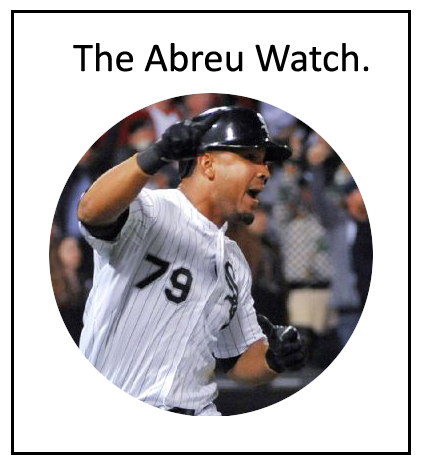
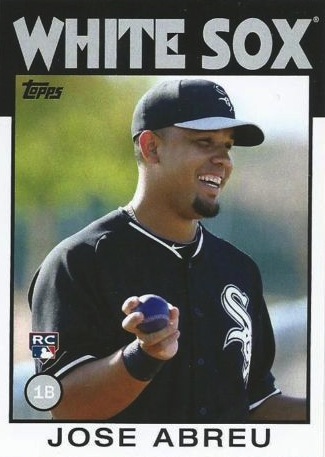
He’s a world-class baseball player. Absolute Hall of Famer except for the fact that he didn’t escape Cuba and arrive in the US until 2012 so he was a 28-year old rookie. He’s been the most consistent hitter, for average and RBI’s every year. And his defense is far better than ever.
Abreu’s situation is reminiscent of the first Black Cuban to play for the White Sox: Orestes “Minnie” Minoso. His first season was 1951. He was at least 25 (we’ll never know). Minnie hasn’t been voted into the Hall of Fame because he played “only” 10 full seasons so he didn’t accumulate “HOF Numbers.” I loved Minnie, too. You can see the full documentary: Baseball’s Been Very, Very Good to Me:
When Abreu first arrived in Chicago, Minoso (then close to 90) took him under his wing. He couldn’t have had a better baseball and lifestyle mentor.
The Grands
How lucky we are as a family. Look at these kids. Of course, they’re adorable looking, but, even better, they are more fun than any circus, ever!
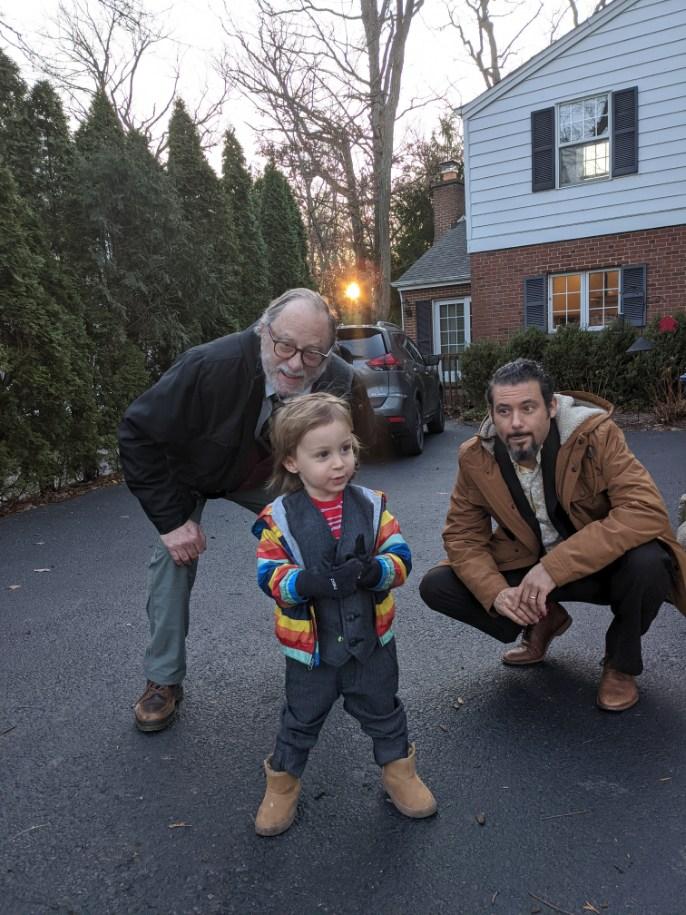
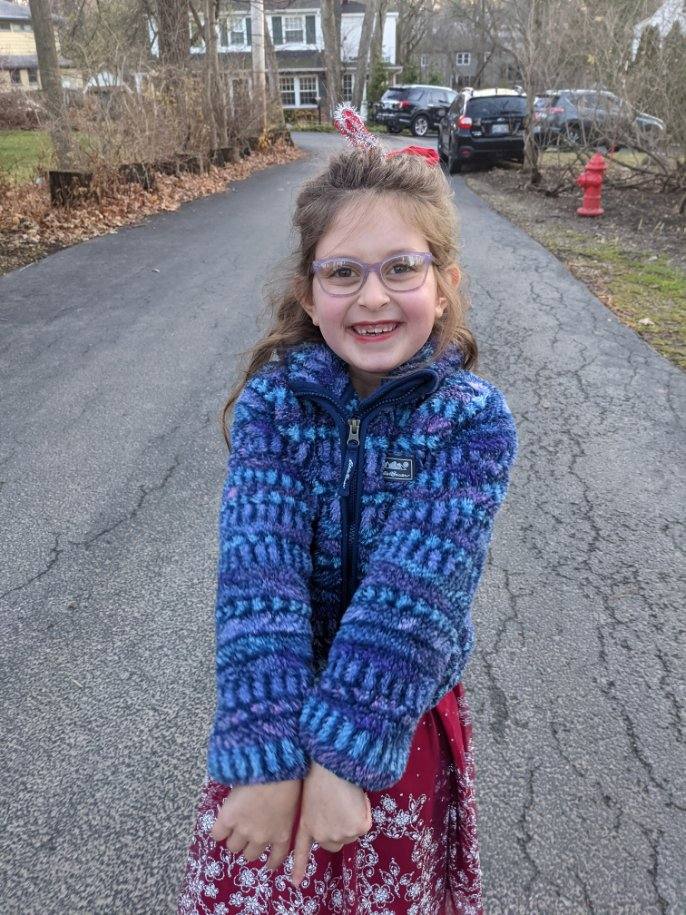
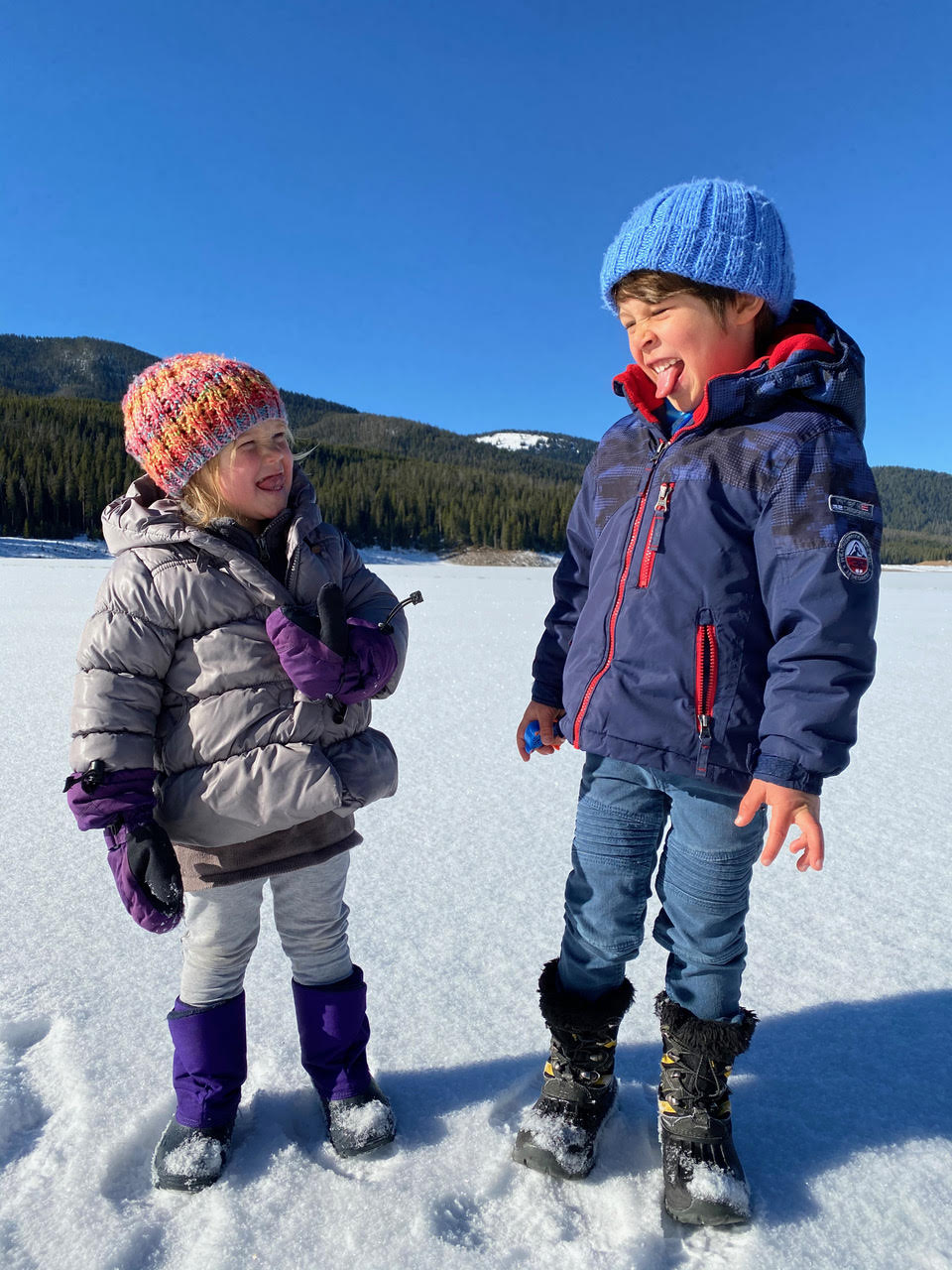
Yeah, 2020 was a tough year in many ways. Except for politics and governing, 2021 and COVID-19 could be as horrendous or worse. We all have to do all we can. Nobody is exempt, even if and when a vaccine is working. Stay the course of the curse. And have some fun in ’21.
See ya next year,
 PY-O-MY
Thomas:
“Have some fun in ’21” is a very good message. Age is but a number so no problem—actually advantages from archiving says TLW. Wonderful, for example, to see real-time recapitulating and posting of media burning! Thanks you, kindly! —Bj
>
always a joy to read – stay well dear friend
e.
ah yes, you too, dear e. it’d be lovely to see the sea. yachats?
Saw you in Belushi doc too. By chance. Loved your questions and T Weinberg attitude. Charming yet probing. Ok gotta go back to my nearly full-time job: trying not to be terrified of surging covid. Bad here in LA.
I’m calling you
Hi Tom! Thanks for the info on the John Belushi interview. I’m totally interested. I’m not really a Hollywood person, but sounds interesting–maybe I’m getting old…sigh. I did find myself thinking about how the clock is ticking louder and louder lately, so this is quite timely.
Hope you and your family continue to stay safe and well! Happy Holidays!
Peggy